

Alarm control unit
The system’s central unit receives signals from the sensors and controls the alarm’s response. It links detection, everyday controls and the connection to monitoring where included.
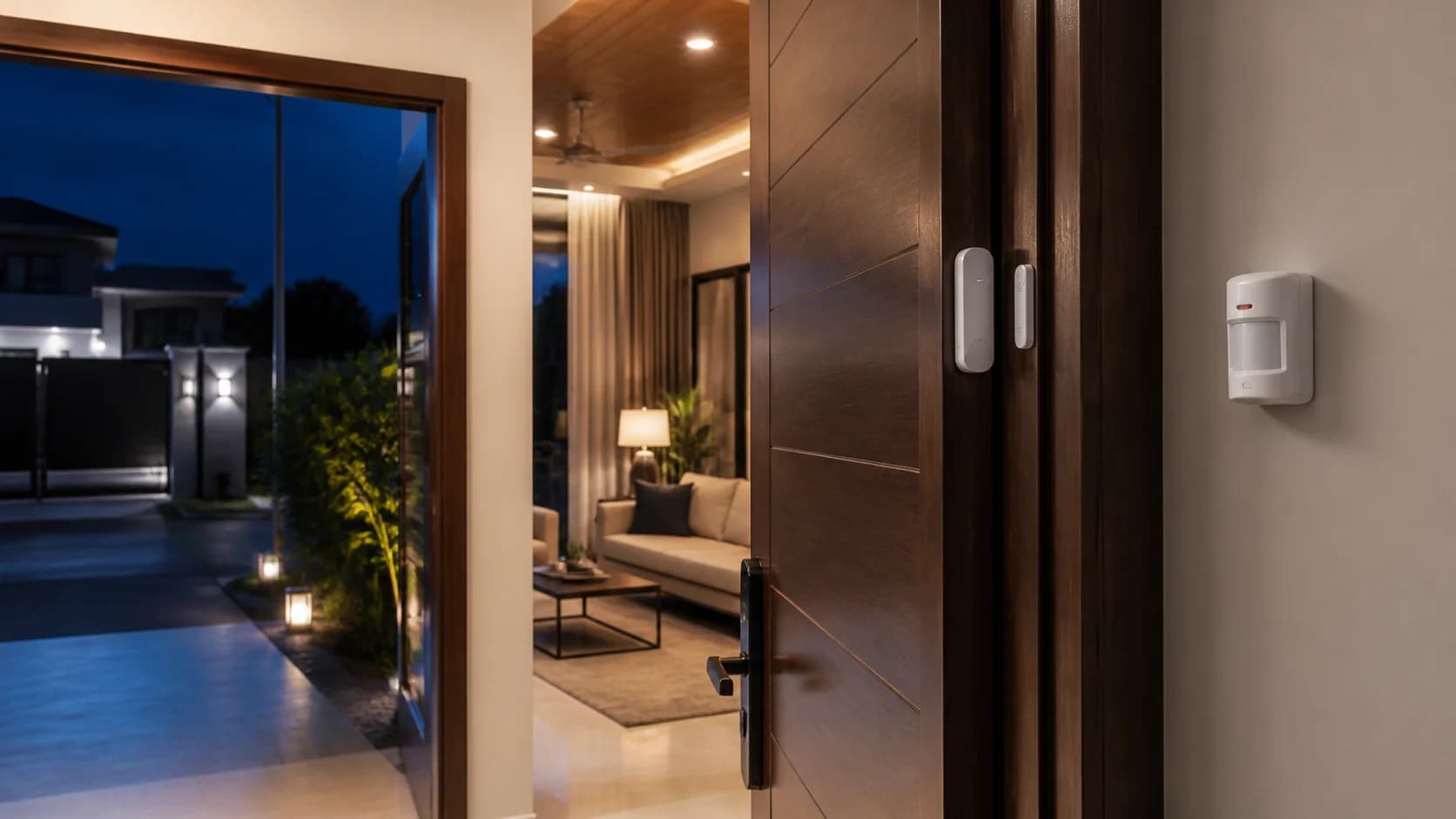
Be alerted to activity at protected entrances and indoors when your alarm is armed. Alzarar installs the equipment, shows you how to use it and offers 24/7 monitoring for connected systems.
An intruder alarm uses sensors to detect an opening or movement in protected areas. When it is armed, it can raise a warning instead of leaving that activity unnoticed. It adds detection to the physical security provided by your doors, windows and locks.
Alzarar helps you choose the sensors and positions them where they are useful. We set up the controls around your routine, whether you want to protect selected entrances at night or arm a shop after closing.
Request an alarm surveyEach device plays a different part. We recommend a combination for your property, and these illustrations show what each part contributes.
The system’s central unit receives signals from the sensors and controls the alarm’s response. It links detection, everyday controls and the connection to monitoring where included.

Two small parts sit on the door or window and its frame. When they separate, the sensor detects an opening. If that entrance is armed, it can trigger the alarm.
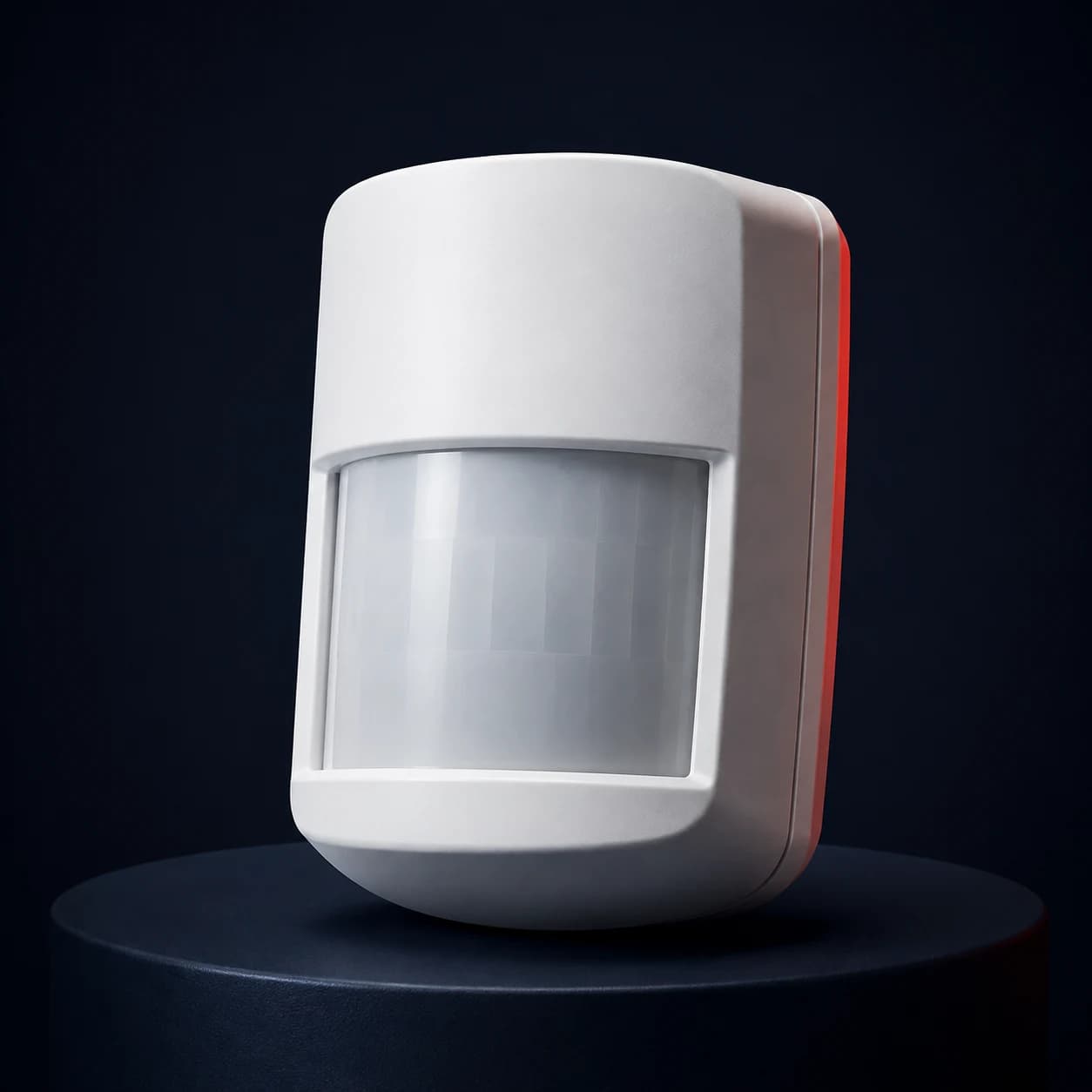
Add detection inside a room or passage by sensing movement in the covered area. Alzarar positions them around the room layout and accounts for pets and everyday activity.

Arm or disarm a compatible alarm with a handheld remote. It makes everyday operation convenient while you are within the remote’s supported range.

Press the button to manually send an alert when you need help, without waiting for a door or motion sensor. Alzarar explains who receives the alert and how it will be handled.
Looking for smoke or heat detection? Explore our fire detection and alarm services to address that separate requirement.
An intruder alarm system focuses on detecting unauthorised entry or movement and raising an alert. A complete home security system may also include CCTV, fire detection, electric fencing, panic buttons and monitoring. Compare these options in our home security systems guide, or see how they support shop and small-business security.
Detection, a warning at the property and professional monitoring serve different purposes. Here is how they connect in a monitored alarm installation.
A protected door opens or a detector senses movement while that area is armed. The sensor sends the event to the alarm control unit.
The control unit follows the system’s settings. A fitted siren can sound at the property, and supported phone notifications can let you know what has happened.
With a connected monitoring service, the alarm signal also reaches a monitoring team. They follow the agreed verification, contact and response procedure for your property.
Alzarar’s 24/7 monitoring adds a team to receive alarm signals, including when you are away. We explain the notification and response options available for your system and location before you choose the service.
Our team shows you how to arm and disarm the system, use the controls and recognise a fault. You also learn what to do after an accidental activation, so using the alarm can become part of your normal routine.
No. The appropriate arrangement depends on the premises, available wiring and selected equipment. Wireless equipment can be useful in an existing building, but coverage, batteries and communication still need to be assessed.
Suitable systems can protect selected entrances while leaving occupied rooms unarmed. Alzarar can explain these settings and set up a routine that fits how your household uses the home.
Pets can affect detector choice and placement. Tell the surveyor about the animals, their size and the areas they can enter. Suitability depends on the detector’s specifications and how it is installed.
Supported systems can send phone notifications to keep you informed when you are away. Available app, SMS or other alerts depend on the equipment, connection and selected service. Our team explains what your proposed system includes.
No. An alarm notification, monitoring service and physical response are separate parts of the arrangement. Confirm the verification procedure, escalation contacts and any available response coverage for your site before service begins.
Backup power, communication paths and fault reporting vary by system. The installation plan should address the outages you need to allow for and explain which functions depend on power, internet or cellular service.
Tell us about your home or business and what concerns you. Our team will explain the options and recommend a practical alarm setup.