
Homes and residences
Plan warning across the home, including its floors and sleeping areas, so family members can hear an alarm when they may not notice smoke themselves.
Fire alarms within a home security system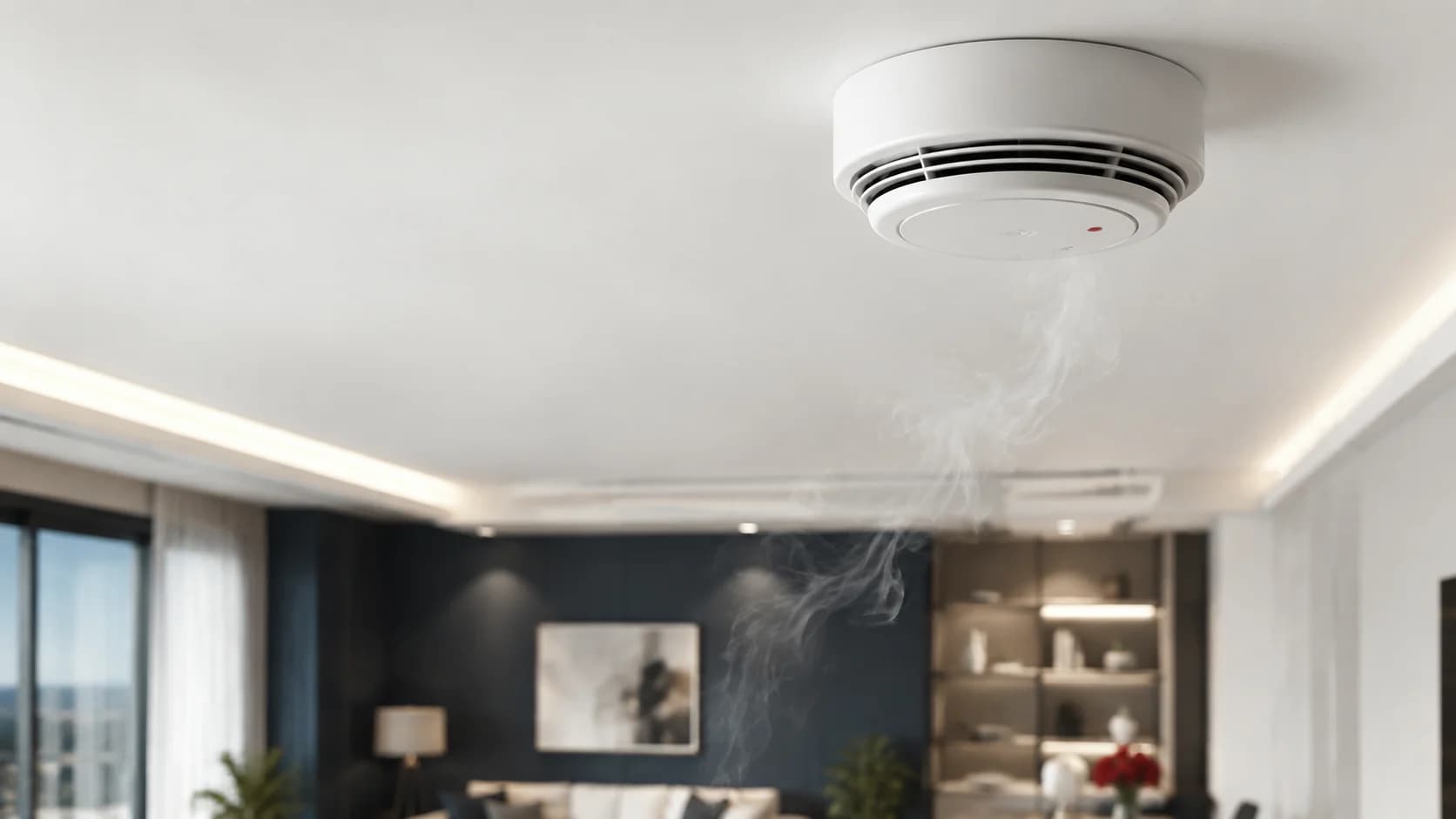
Receive an earlier warning when smoke or heat indicates a possible fire. Alzarar plans detection, alarm controls and warning equipment around the building and its use.
A fire alarm system brings detectors, controls and warning devices together. Smoke or heat detection can raise an alarm so occupants have an earlier opportunity to follow the building’s emergency arrangements.
Detector choice is not the same for every room. A bedroom, kitchen, shop, workshop and warehouse can have different conditions. Alzarar assesses the areas in scope before recommending the type and position of equipment.
Fire detection provides warning. It does not prevent ignition or extinguish a fire, and it works alongside responsible fire prevention, evacuation planning and the procedures for your premises.
The people, rooms and daily activity in the building determine what must be assessed.
Plan warning across the home, including its floors and sleeping areas, so family members can hear an alarm when they may not notice smoke themselves.
Fire alarms within a home security systemSelect detection around the layout and room conditions, including customer areas, stock, workspaces and places where cooking, heat or dust may affect the choice of detector.
Fire detection for small businessesCoordinate detection, warning, installation access and handover with the organisation’s building procedures and people responsible for the premises.
Fire alarms for organisationsEach part serves a different purpose. The final arrangement depends on the site rather than a standard device list.
Smoke detectors look for smoke in the area where they are installed. Their suitability and position depend on the room and the conditions expected there.
Heat detectors respond to heat conditions associated with fire. They may be considered where the normal environment makes smoke detection unsuitable, subject to the site assessment.
The control equipment receives detector signals and manages the system’s warning. It also provides status information that users need to recognise.
Sounders warn people at the premises when the system activates. Their arrangement should account for the parts of the building where occupants may be.
We review the layout, room uses, occupied areas, existing equipment, available power and the people who need to hear and manage the alarm.
The proposal sets out suitable detector types, control and warning equipment, installation work and the areas included in the scope.
The agreed equipment is fitted, connected and tested so the system’s operation and available warning can be checked before handover.
Responsible users are shown system status, alarm and fault indications, and how to report a problem. Ongoing test and maintenance arrangements are discussed.
A fire alarm needs to remain understandable and operational after installation. The responsible people should know how to recognise an alarm or fault, whom to contact and what routine checks or maintenance are included in the service arrangement.
Power backup, connected monitoring and communication options vary by equipment and scope. Any requirement for alarms to reach people away from the building must be discussed separately. The proposal should explain what remains available during a power or connectivity interruption.
Compare technical security systemsNo. They are intended to provide warning when smoke is detected so people can react. They do not prevent ignition or extinguish flames, and they should be used alongside fire prevention and an evacuation plan.
Not necessarily. Smoke, heat, cooking activity, dust and the normal use of the room can affect the suitable type and position. The site assessment should consider each area included in the system.
A connected system can bring detectors, control equipment and sounders together so a detected event activates the configured warning. The required arrangement depends on the layout and where occupants may be.
Only if compatible communication and a monitoring or notification arrangement are included. A local warning at the premises and a connected monitoring service are separate requirements.
Responsible users are shown how to recognise normal, alarm and fault conditions and how to report a problem. The handover should also explain the testing, maintenance and support arrangements included in the proposal.
For intrusion detection, explore intruder alarm systems. For cameras, controlled entry and other building technology, return to the technical security overview.
Tell us about the premises, the areas you need to cover and any equipment already installed. Our team will assess the requirement and explain the proposed system.