Small devices look after specific entrances and rooms. Arming the alarm means turning on protection for the areas you choose. Here is what the main components do for you.
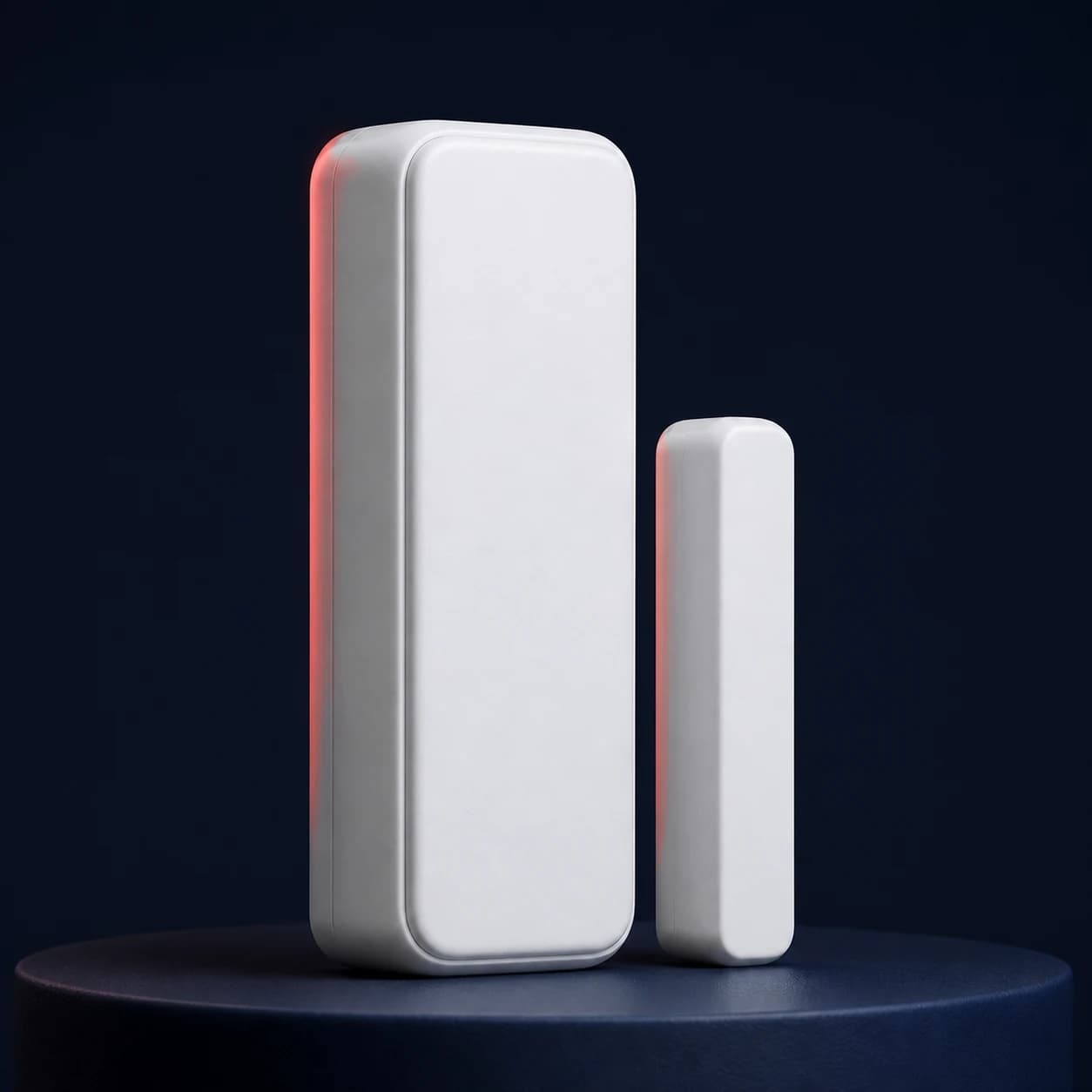
Door & window contacts
Know when a protected entrance opens.
These small, paired sensors fit to a door or window and its frame. When the two parts separate, they tell the alarm system it has opened. With the alarm armed, that opening can trigger an alert.
Useful for your front door, back door and accessible windows.
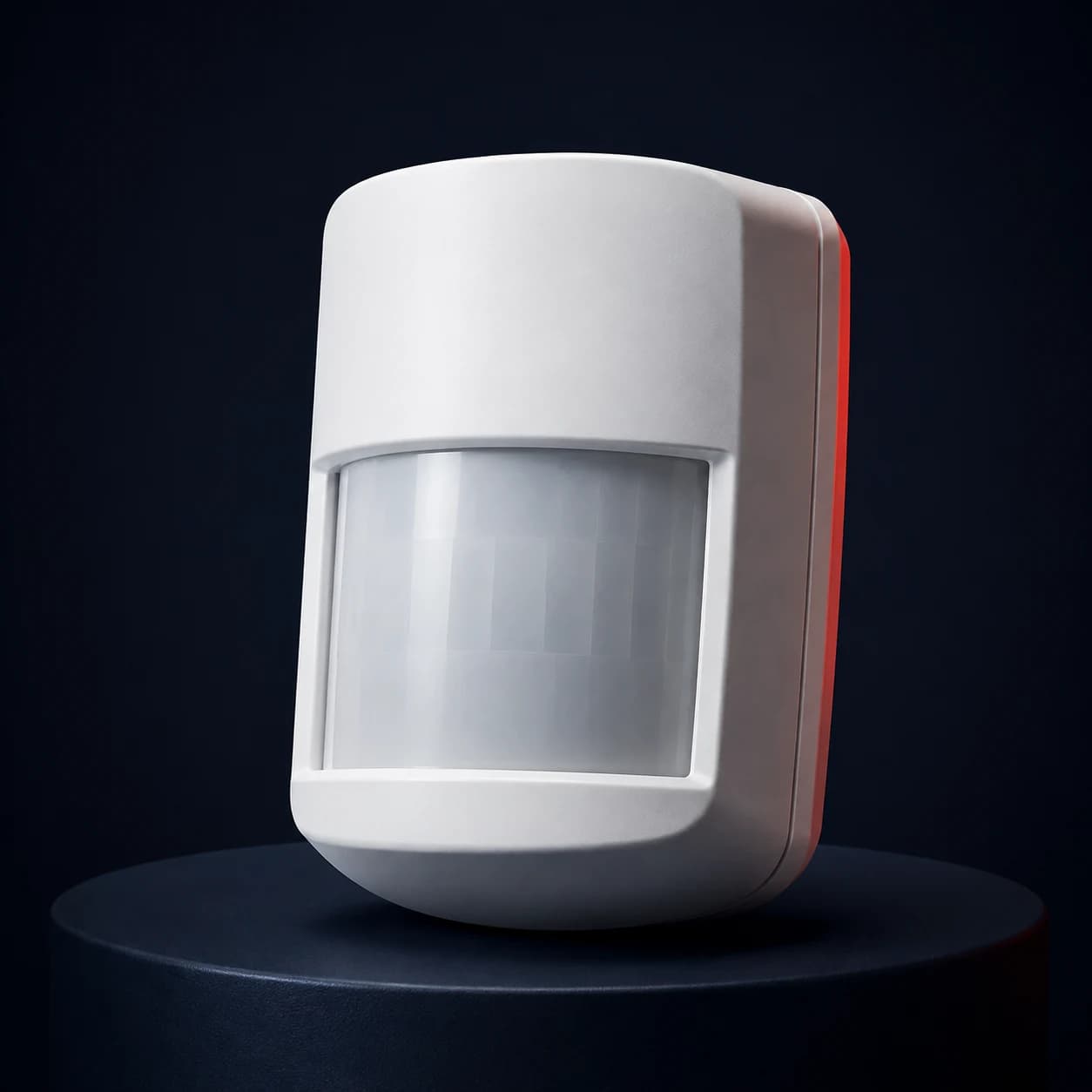
Motion sensors
Detect movement inside the home.
A motion sensor detects movement in a selected room or passage and signals the alarm when that area is armed. It adds indoor detection beyond the doors and windows. We position sensors around your layout, household routine and pets.
Useful for a hallway or living area when everyone is out.
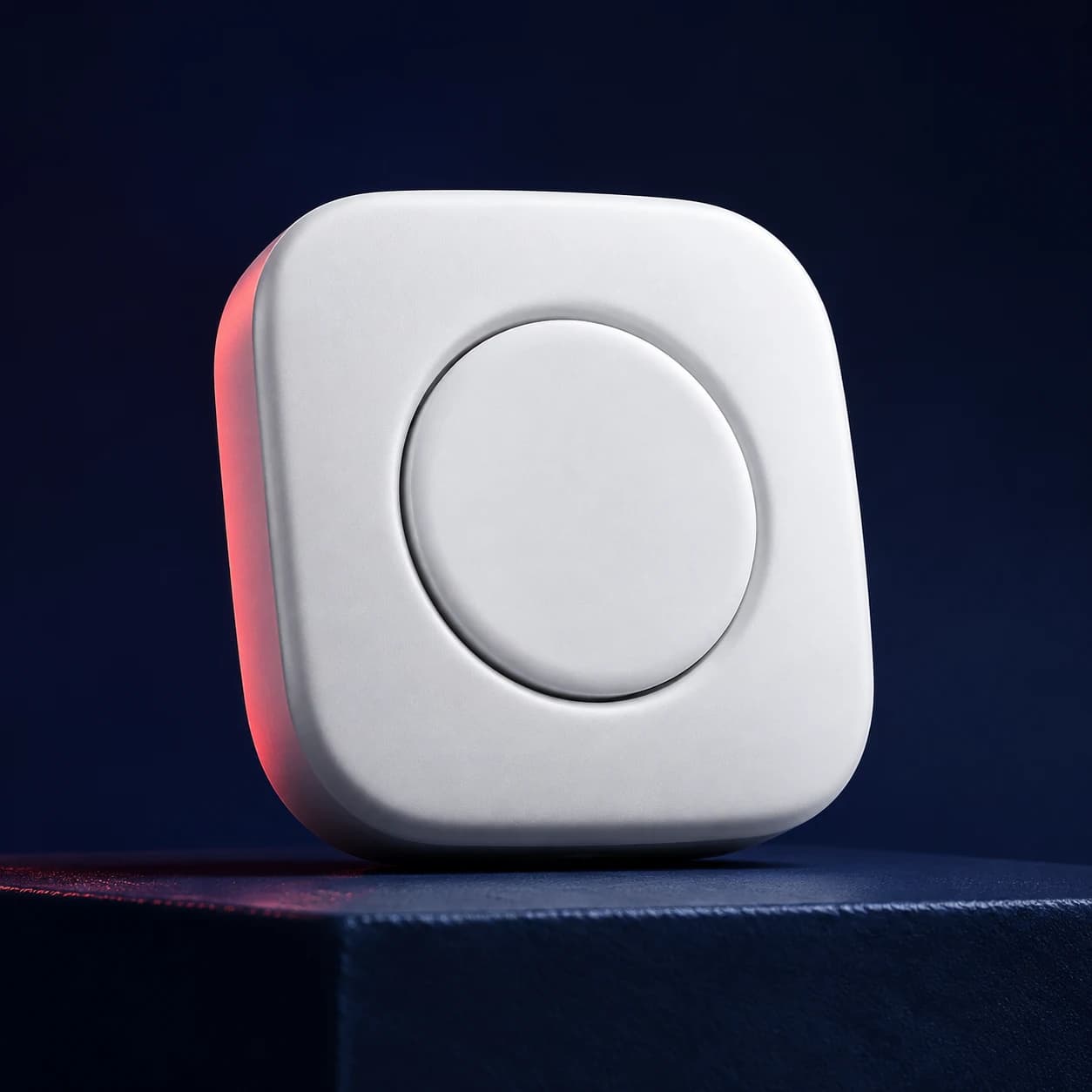
Panic buttons
Raise an alert when you need help.
If you see an intruder or feel threatened, a panic button lets you deliberately raise an alert. It gives you a simple action to take without waiting for a door or motion sensor to detect something.
A button within reach can be useful near a bed or another regularly occupied area.
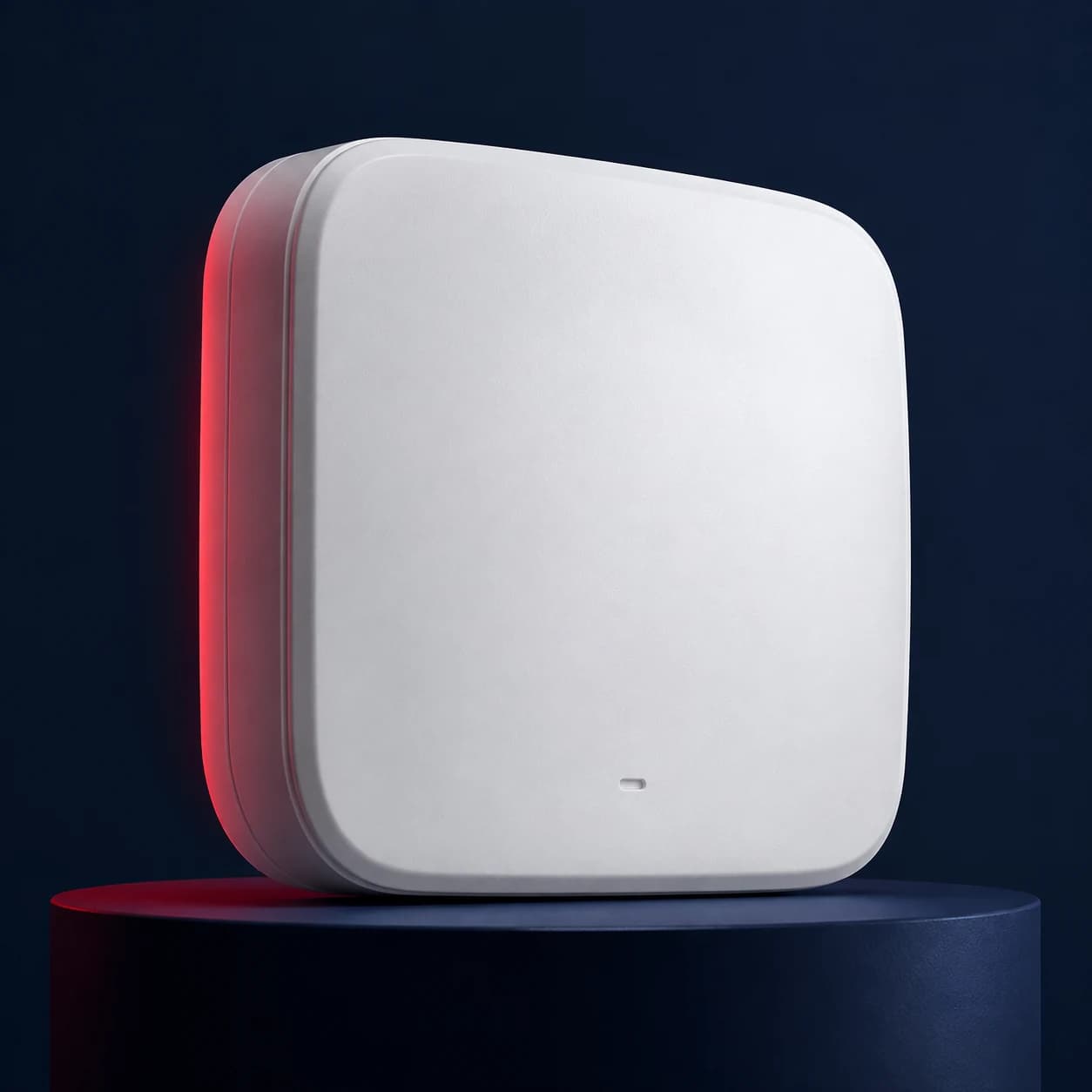
Alarm controls & hub
Bring the detectors into one alarm system.
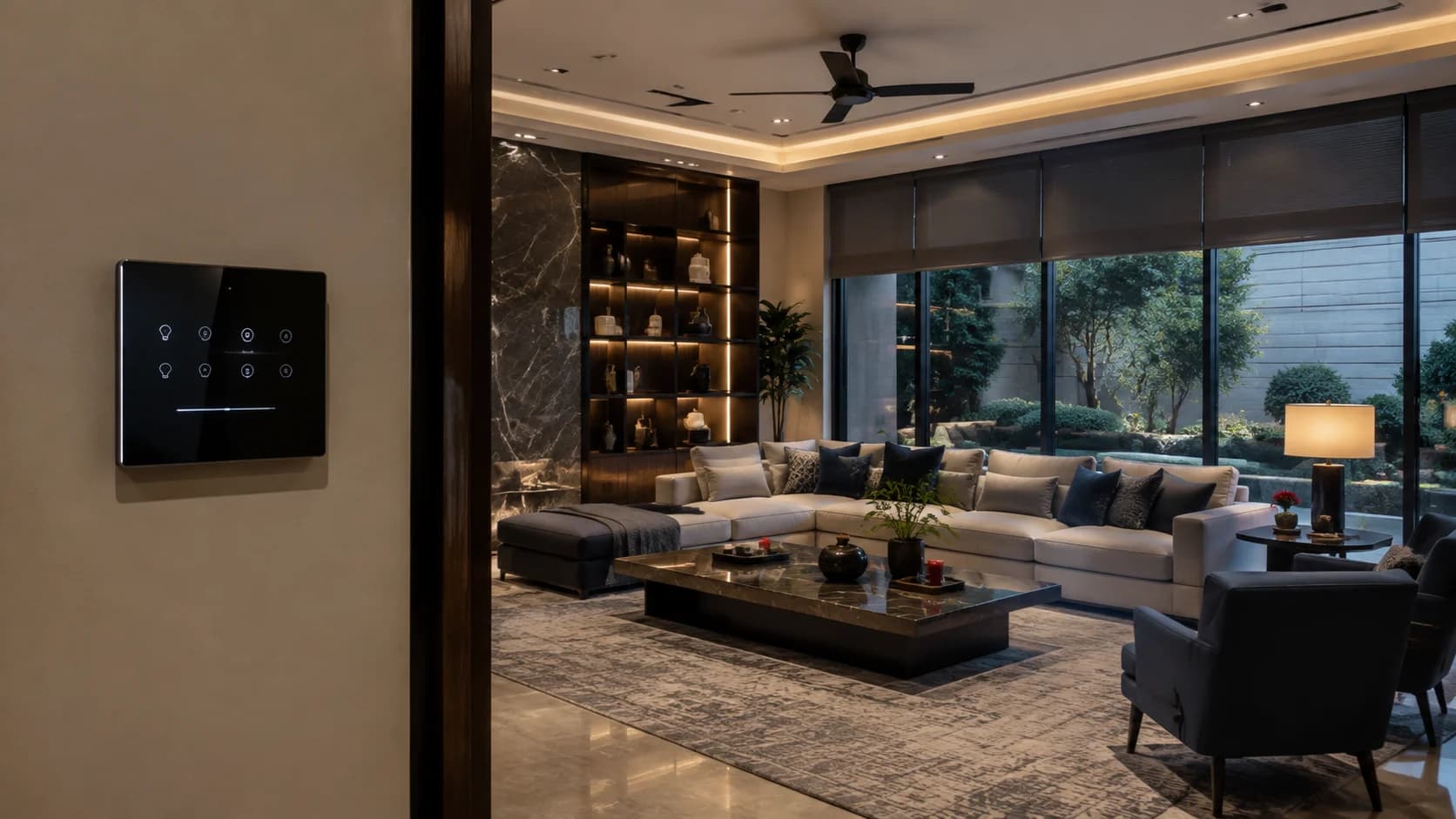
The hub receives detector signals and manages the alarm. Controls let you arm the system when protection is needed and disarm it when you return. Sirens provide a local warning; connected monitoring adds people to handle alerts.
We show your family how to set the alarm, return home and handle an accidental activation.